Where ecological science meets action
Where ecological science meets action
Where ecological science meets action
Where ecological science meets action

Restor
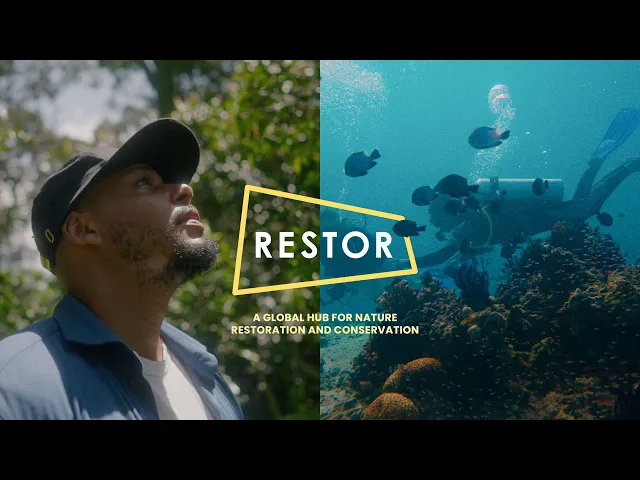
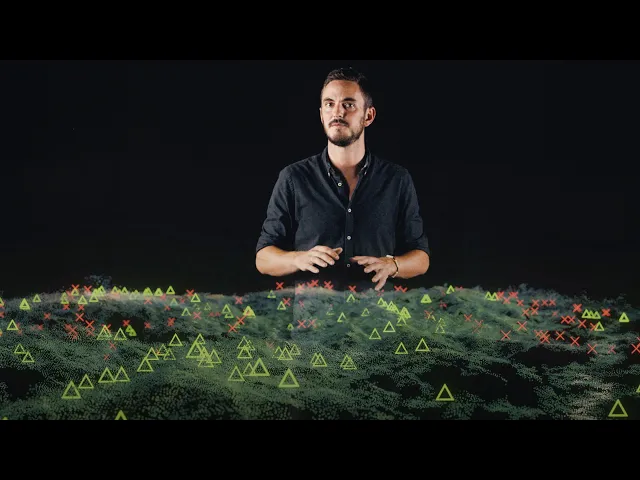
Restor is an open-data, geospatial platform that connects ecological science with the people restoring and protecting ecosystems on the ground. By combining global environmental data with local knowledge, the platform helps nature projects map, measure and share their impact.
Restor is an open-data, geospatial platform that connects ecological science with the people restoring and protecting ecosystems on the ground. By combining global environmental data with local knowledge, the platform helps nature projects map, measure and share their impact.
200,000
200,000
Nature sites
5,000+
5,000+
Organizations
10,000,000
10,000,000
Land under restoration & conservation
200,000
200,000
200,000
200,000
Nature sites
Nature sites
10,000,000
10,000,000
10,000,000
10,000,000
Land under restoration & conservation
Land under restoration & conservation
5,000+
5,000+
5,000+
5,000+
Organizations
Organizations
Often described as “Google Maps for Nature”
Often described as “Google Maps for Nature”
Often described as “Google Maps for Nature”
Restor was born from a simple question
Restor was born from a simple question
Restor was born from a simple question
As the scientists at the Crowther Lab mapped forests, soils and biodiversity at a global scale, we began to understand the enormous potential for ecosystem restoration.
Research revealed that hundreds of millions of hectares of degraded land around the world could recover forests, biodiversity and soil carbon if given the chance.
This discovery showed that restoration could become one of the most powerful tools for stabilising the Earth’s climate system.
But another question quickly followed: how could this science support the people already working to restore ecosystems on the ground?
Led by Prof. Thomas Crowther and developed with the Google Creative Lab in 2020, Restor was created to bridge that gap. It connects the latest ecological science with the communities, organisations and governments working to regenerate landscapes around the world.
As the scientists at the Crowther Lab mapped forests, soils and biodiversity at a global scale, we began to understand the enormous potential for ecosystem restoration.
Research revealed that hundreds of millions of hectares of degraded land around the world could recover forests, biodiversity and soil carbon if given the chance.
This discovery showed that restoration could become one of the most powerful tools for stabilising the Earth’s climate system.
But another question quickly followed: how could this science support the people already working to restore ecosystems on the ground?
Led by Prof. Thomas Crowther and developed with the Google Creative Lab in 2020, Restor was created to bridge that gap. It connects the latest ecological science with the communities, organisations and governments working to regenerate landscapes around the world.