


“Steve Jobs of Ecology”
“Steve Jobs of Ecology”
“Steve Jobs of Ecology”
“Steve Jobs of Ecology”
- As described in The Guardian
Thomas W. Crowther is a professor of global ecology and founding chair of the UN Decade on ecosystem restoration. Best known as the scientist behind the ‘Trillion Trees Initiative’, his work focuses on global biodiversity protection and the social transformations that drive it. His book, Nature’s Echo, has been described as the scientific basis for global environmental optimism.
Thomas W. Crowther is a professor of global ecology and founding chair of the UN Decade on ecosystem restoration. Best known as the scientist behind the ‘Trillion Trees Initiative’, his work focuses on global biodiversity protection and the social transformations that drive it. His book, Nature’s Echo, has been described as the scientific basis for global environmental optimism.
Crowther's mission
Crowther's mission
Crowther’s science reveals avenues for large-scale social and ecological regeneration. In 2020, he founded Restor, an online platform that democratizes access to data and sustainable financing. Restor supports rural communities and indigenous populations working across 201 million hectares of land, and was named as a finalist in Earthshot Prize. Crowther is Chair of the BRANCH Institute, which coordinates an international network of scientists across 6 leading universities worldwide. He was named a New York Times Changemaker 2026 and recognized by the World Economic Forum as a Young Global Leader.
Crowther’s science reveals avenues for large-scale social and ecological regeneration. In 2020, he founded Restor, an online platform that democratizes access to data and sustainable financing. Restor supports rural communities and indigenous populations working across 201 million hectares of land, and was named as a finalist in Earthshot Prize. Crowther is Chair of the BRANCH Institute, which coordinates an international network of scientists across 6 leading universities worldwide. He was named a New York Times Changemaker 2026 and recognized by the World Economic Forum as a Young Global Leader.
Crowther’s science reveals avenues for large-scale social and ecological regeneration. In 2020, he founded Restor, an online platform that democratizes access to data and sustainable financing. Restor supports rural communities and indigenous populations working across 201 million hectares of land, and was named as a finalist in Earthshot Prize. Crowther is Chair of the BRANCH Institute, which coordinates an international network of scientists across 6 leading universities worldwide. He was named a New York Times Changemaker 2026 and recognized by the World Economic Forum as a Young Global Leader.
The Trillion Trees study that helped spark a movement
Where it started
Where it started
What It Sparked
From there, the question became practical: how do we restore ecosystems in ways that strengthen biodiversity and support the people who depend on them?
The Result
The analysis estimated around 3.04 trillion trees worldwide and revealed just how much forest could, in principle, return in the right places.
What Changed
The finding shifted restoration from a feel-good idea to a measurable global opportunity and put it on the political agenda.
The Study
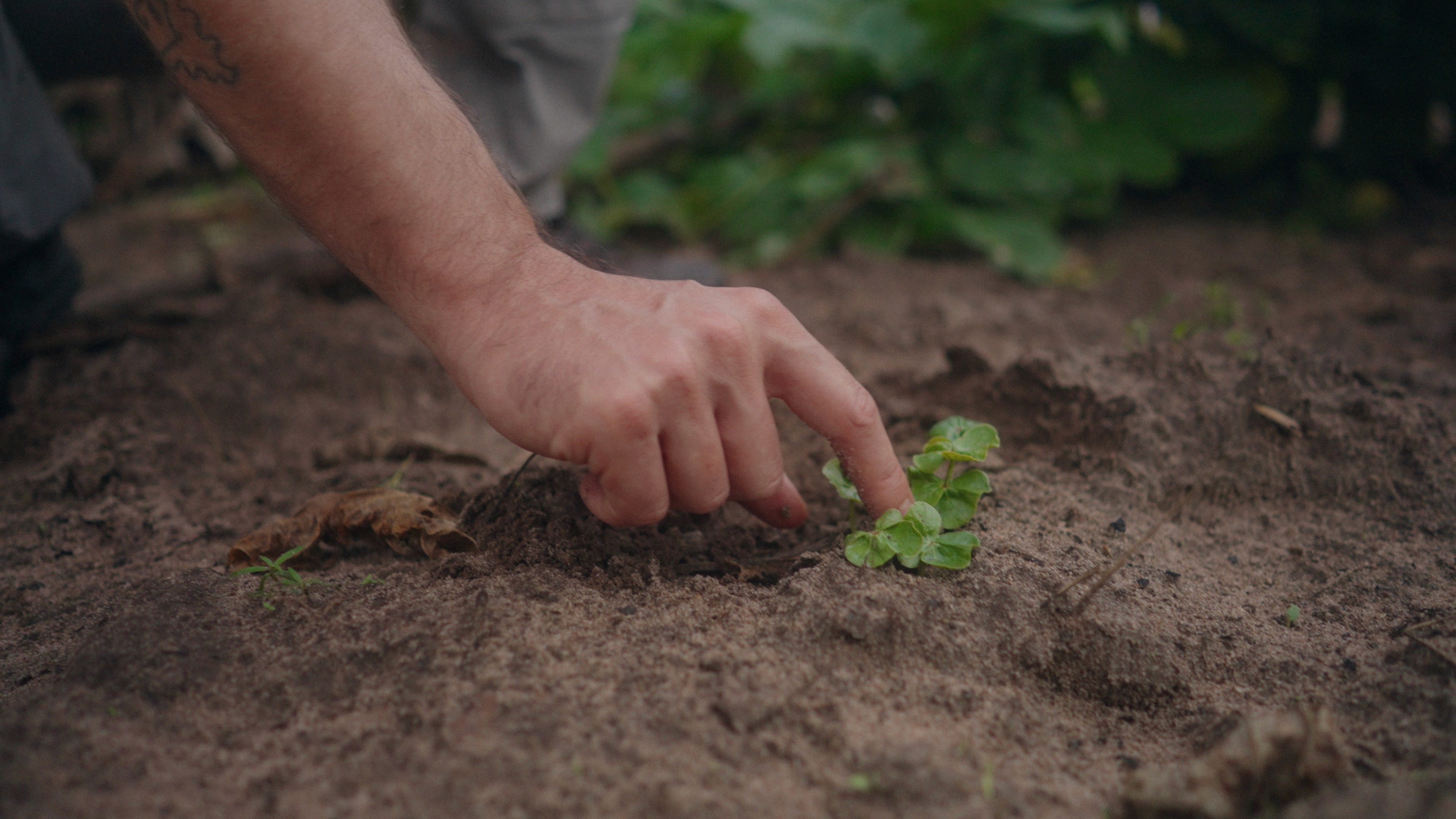
In 2015, Crowther led a global team to map the world’s forests. The goal was simple: understand how many trees exist, where they are, and what that means for restoration.
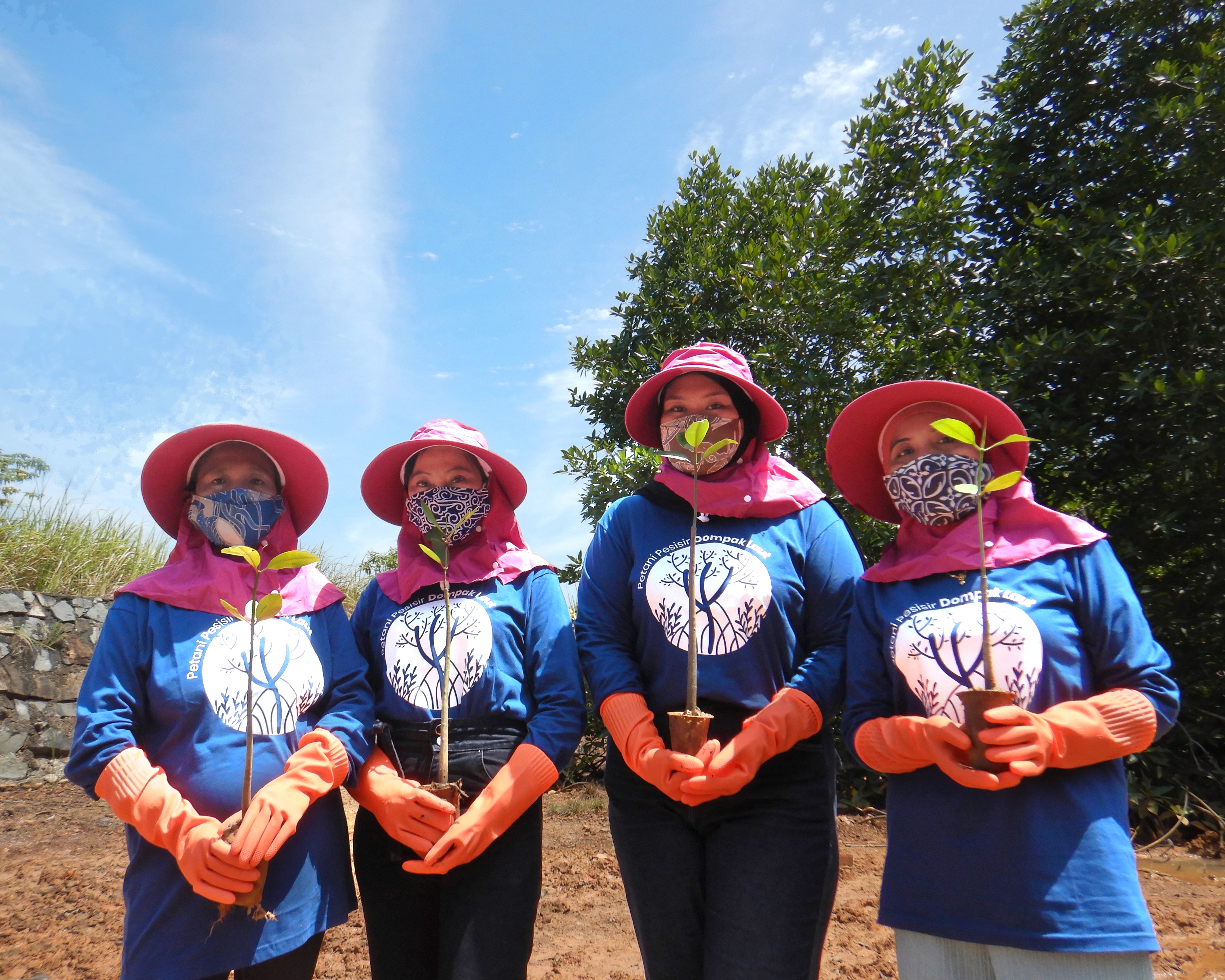
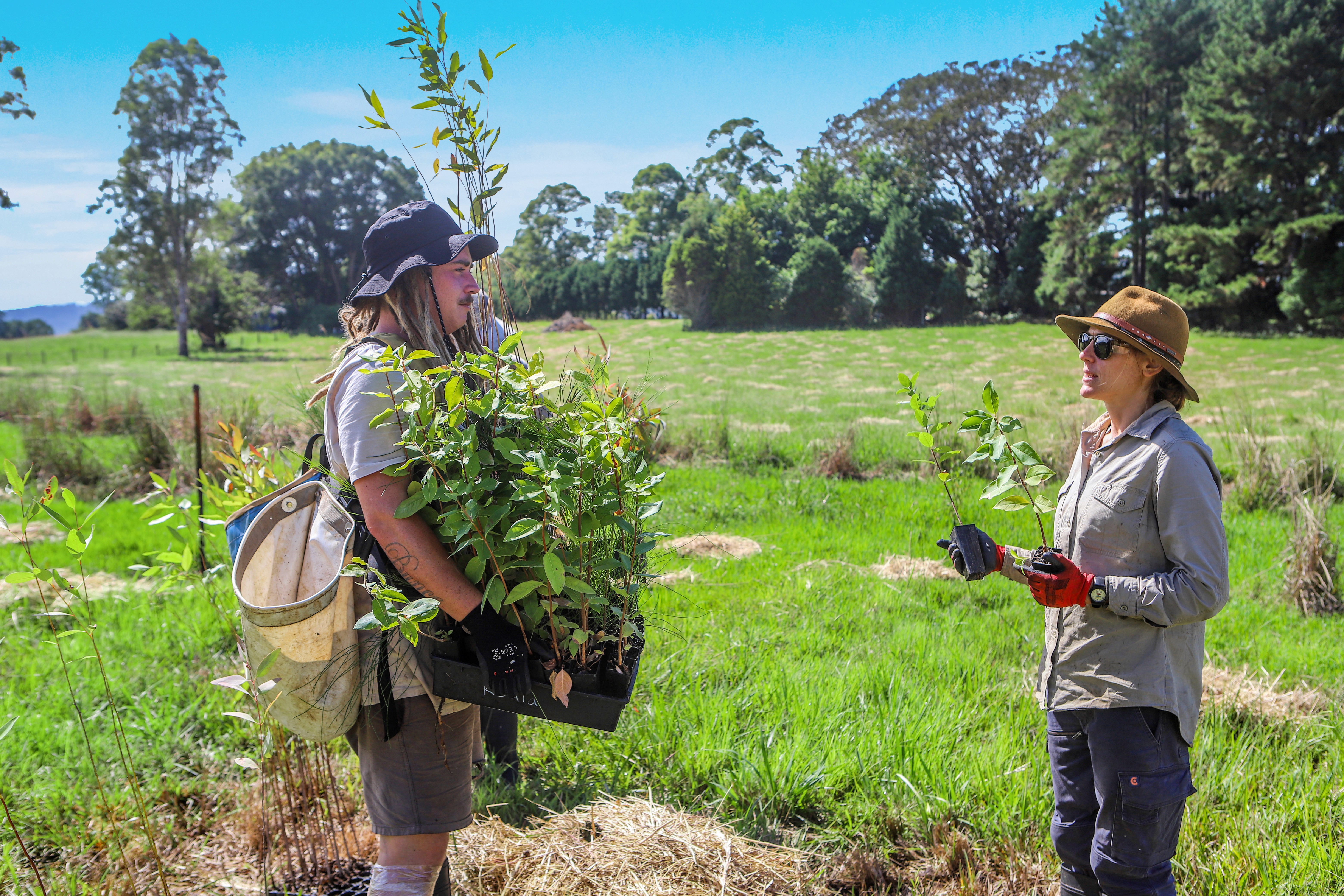
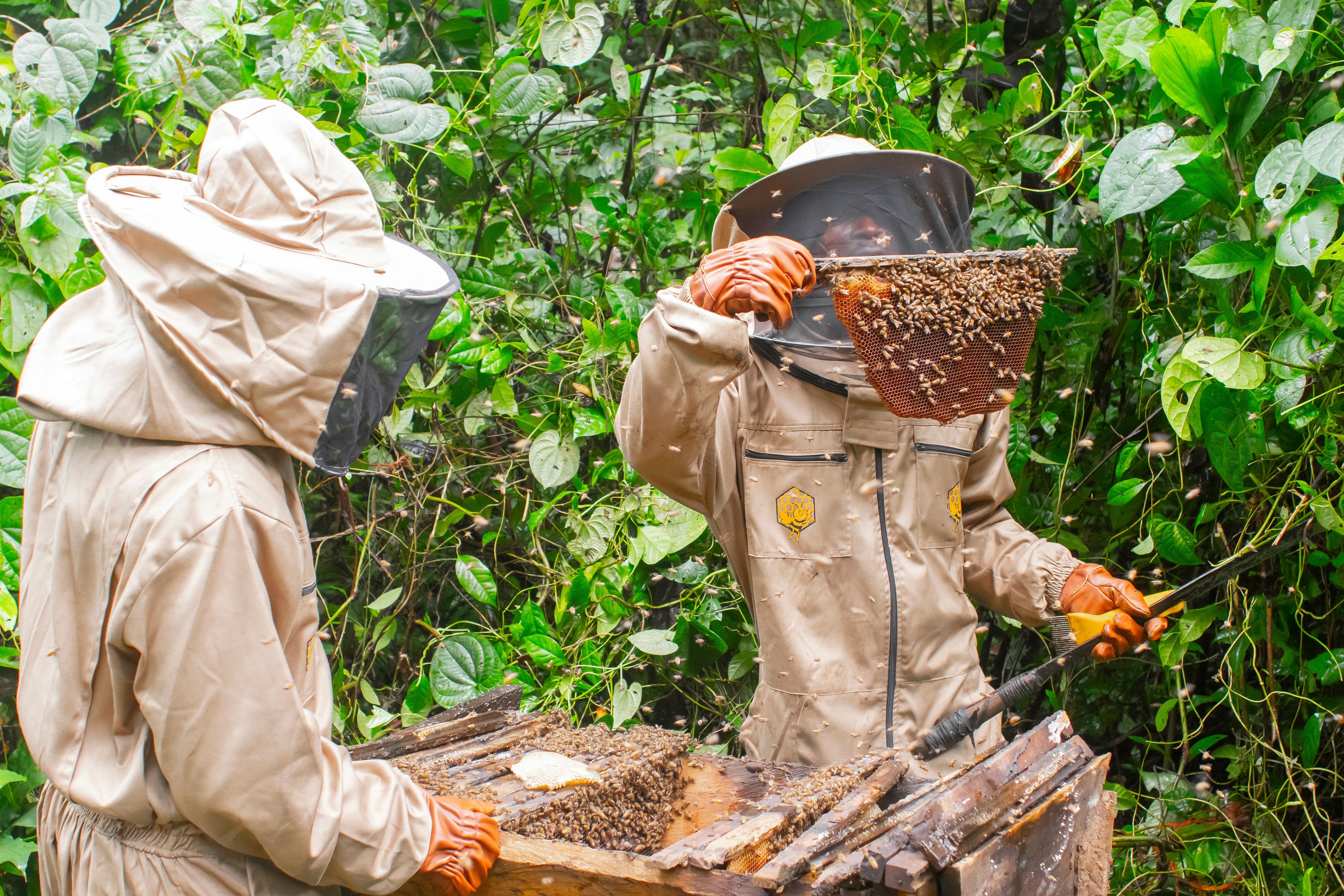
In 2020, Crowther founded Restor, the Google maps for restoration, to close the gap between ecological science and real-world impact. Today, the free online platform supports hundreds of thousands of community-led nature initiatives to access data and sustainable financing.
In 2020, Crowther founded Restor, the Google maps for restoration, to close the gap between ecological science and real-world impact. Today, the free online platform supports hundreds of thousands of community-led nature initiatives to access data and sustainable financing.
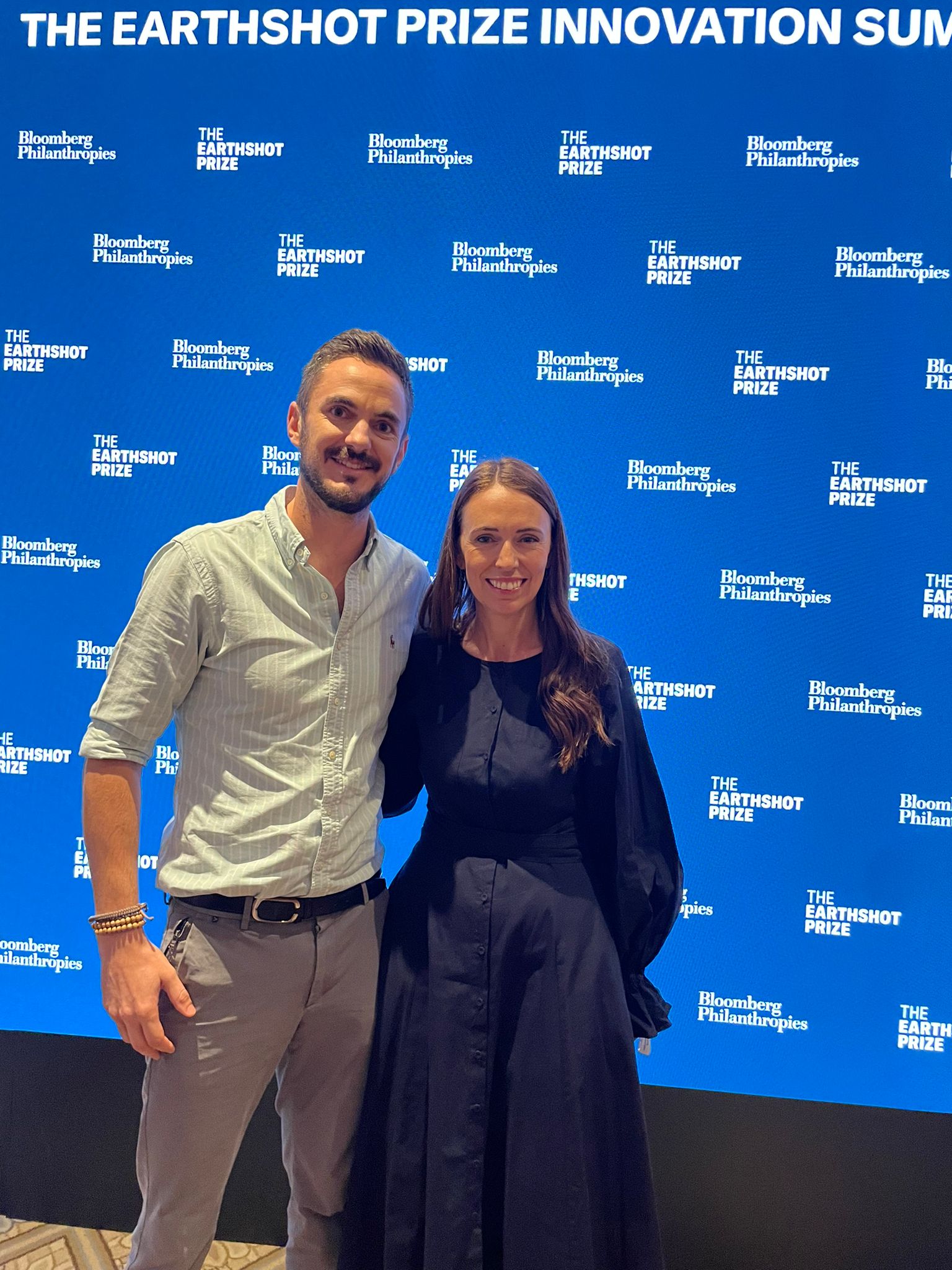
In 2021, Restor was named an Earthshot Prize finalist, and this work was highlighted in his TED talk on global biodiversity.
In 2021, Restor was named an Earthshot Prize finalist, and this work was highlighted in his TED talk on global biodiversity.
200,000
200,000
Nature sites
5,000+
5,000+
Organizations
10,000,000
10,000,000
Land under restoration & conservation
200,000
200,000
Nature sites
5,000+
5,000+
Organizations
10,000,000
10,000,000
Land under restoration & conservation
200,000
200,000
Nature sites
10,000,000
10,000,000
Land under restoration & conservation
5,000+
5,000+
Organizations
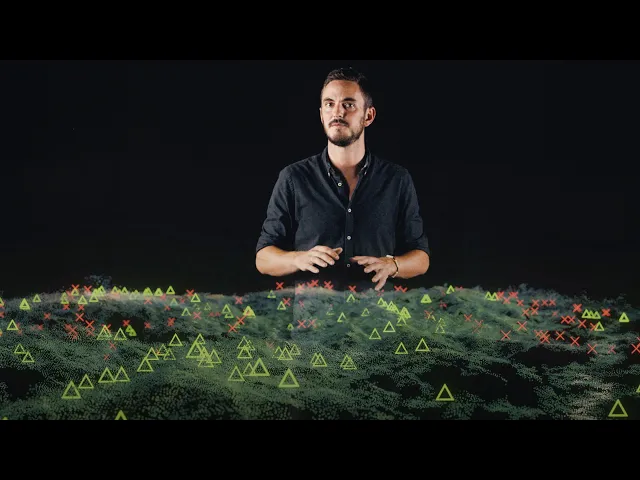
At the TED Countdown Summit, Thomas Crowther lays out the science behind biodiversity restoration and why it matters at a planetary scale.
At the TED Countdown Summit, Thomas Crowther lays out the science behind biodiversity restoration and why it matters at a planetary scale.
The scientific case for optimism
In his debut book, Nature’s Echo, Crowther shows that the ancient feedback loops that formed stars and shaped our universe can also be the ones to revive our planet if we only allow them to.
Through these self-reinforcing patterns, the tiniest actions can be steered towards planetary impacts if we nourish them with our attention and enthusiasm. That’s how movements start.
The scientific case for optimism
In his debut book, Nature’s Echo, Crowther shows that the ancient feedback loops that formed stars and shaped our universe can also be the ones to revive our planet if we only allow them to.
Through these self-reinforcing patterns, the tiniest actions can be steered towards planetary impacts if we nourish them with our attention and enthusiasm. That’s how movements start.
The scientific case for optimism
In his debut book, Nature’s Echo, Crowther shows that the ancient feedback loops that formed stars and shaped our universe can also be the ones to revive our planet if we only allow them to.
Through these self-reinforcing patterns, the tiniest actions can be steered towards planetary impacts if we nourish them with our attention and enthusiasm. That’s how movements start.
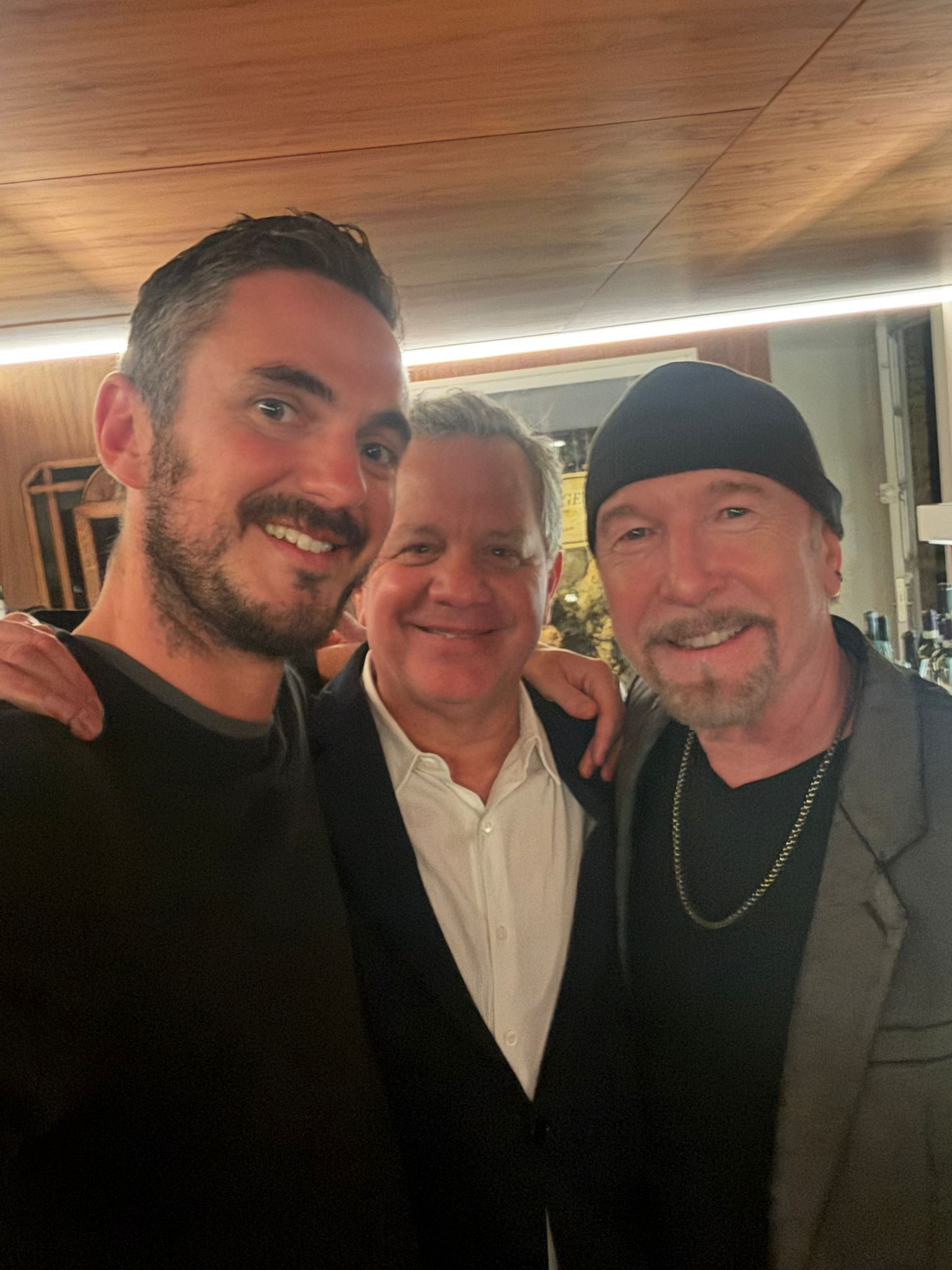
The Edge (U2)
“This is the scientific basis for optimism, showing that true regeneration is indeed within our grasp.”
Where it started
The Trillion Trees study that helped spark a movement
The Study
In 2015, Tom Crowther led a global team to map the world’s forests. The goal was simple: understand how many trees exist, where they are, and what that means for restoration.
The Result
The analysis estimated around 3.04 trillion trees worldwide and revealed just how much forest could, in principle, return in the right places.
What Changed
The finding shifted restoration from a feel-good idea to a measurable global opportunity and put it on the political agenda.
What It Sparked
From there, the question became practical: how do we restore ecosystems in ways that strengthen biodiversity and support the people who depend on them?
Featured in
Media









About
Crowther
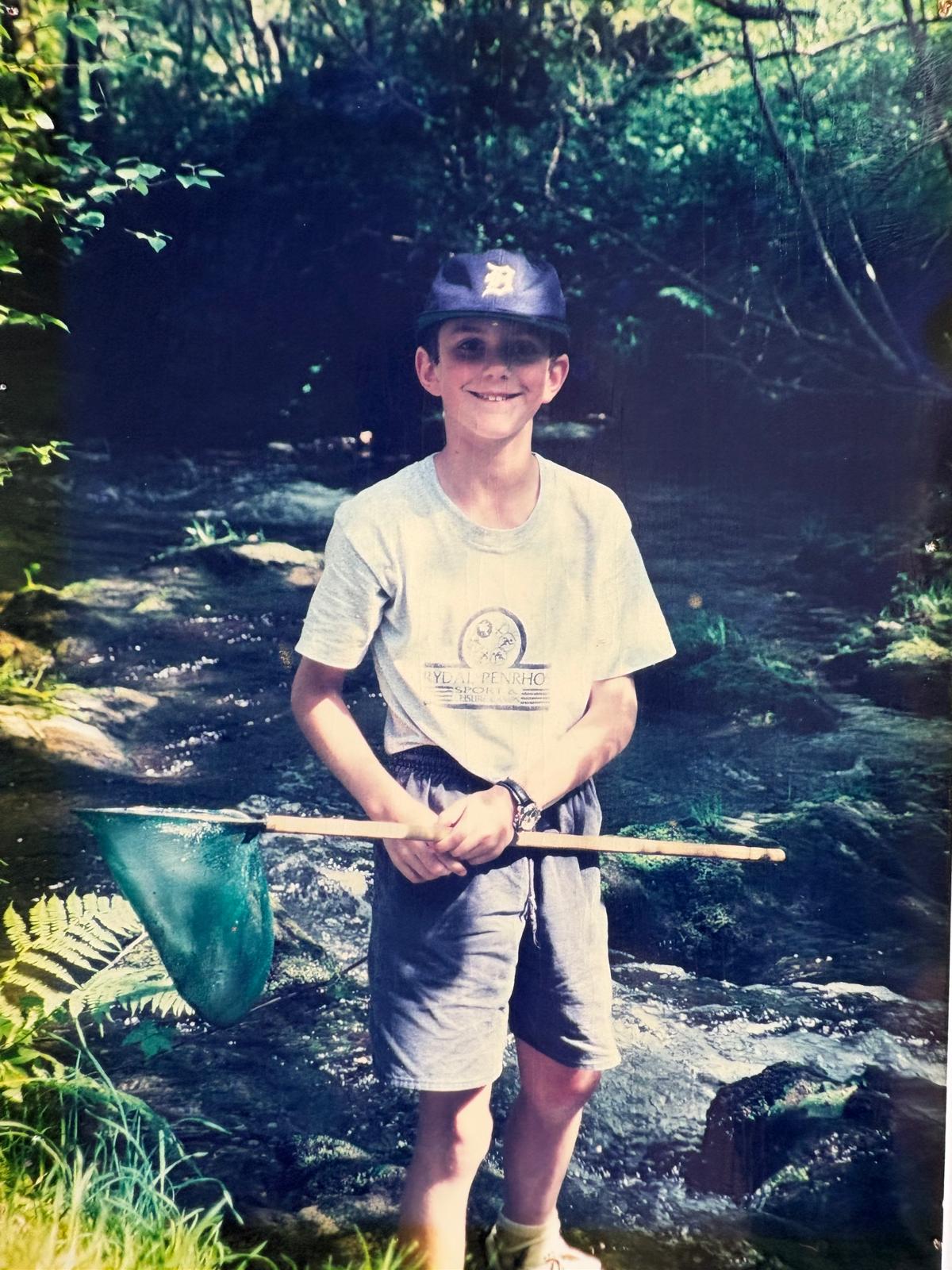
Thomas Crowther grew up in North Wales, where he developed an early fascination for biodiversity, and in particular, snakes. But his journey to science did not follow a simple path.
While dyslexia and ADHD made conventional learning difficult, they also led him down a more holistic and collaborative learning journey. This formed the foundation of his highly interdisciplinary research approach.
But this perspective deepened after a stroke in his twenties, which initiated a prolonged period of depression. This turned his attention towards feedback loops – the ancient forces that pull systems toward collapse or regeneration. He argues that his fascination with these universal patterns helped him to face his own depression, but also his relationship with global environmental change.
It is the single lesson – that feedback loops can be steered towards personal, societal and planetary regeneration if we can only stop fighting them – that guides his philosophy.
At the TED Countdown Summit, Thomas Crowther lays out the science behind biodiversity restoration and why it matters at a planetary scale.

Where science becomes action
In 2020, Crowther founded Restor – the Google maps for restoration – to close the gap between ecological science and real-world impact. Today, the free online platform supports hundreds of thousands of community-led nature initiatives to access data and sustainable financing.
In 2021, Restor was named an Earthshot Prize finalist, and this work was highlighted in his TED talk on global biodiversity.
200,000
200,000
Nature sites
5,000+
5,000+
Organizations
10,000,000
10,000,000
Land under restoration & conservation
The Edge (U2)
“This is the scientific basis for optimism, showing that true regeneration is indeed within our grasp.”
“This is the scientific basis for optimism, showing that true regeneration is indeed within our grasp.”
Featured in
Media
Research by
Thomas Crowther



Featured in
Media
About
Crowther
About
Crowther
But this perspective deepened after a stroke in his twenties, which initiated a prolonged period of depression. This turned his attention towards feedback loops – the ancient forces that pull systems toward collapse or regeneration. He argues that his fascination with these universal patterns helped him to face his own depression, but also his relationship with global environmental change.
It is the single lesson – that feedback loops can be steered towards personal, societal and planetary regeneration if we can only stop fighting them – that guides his philosophy.
But this perspective deepened after a stroke in his twenties, which initiated a prolonged period of depression. This turned his attention towards feedback loops – the ancient forces that pull systems toward collapse or regeneration. He argues that his fascination with these universal patterns helped him to face his own depression, but also his relationship with global environmental change.
It is the single lesson – that feedback loops can be steered towards personal, societal and planetary regeneration if we can only stop fighting them – that guides his philosophy.
Thomas Crowther grew up in North Wales, where he developed an early fascination for biodiversity, and in particular, snakes. But his journey to science did not follow a simple path.
While dyslexia and ADHD made conventional learning difficult, they also led him down a more holistic and collaborative learning journey. This formed the foundation of his highly interdisciplinary research approach.